Seven Sisters Skip Hire — Recycling and Sustainability
At Seven Sisters Skip Hire we place eco-friendly waste disposal area principles at the core of everything we do. Our approach to a sustainable rubbish area combines rigorous sorting, partnerships with local organisations and investment in low-carbon transport so that waste collected across Seven Sisters is diverted from landfill wherever possible. This page outlines our targets, the practical steps we take in the community, and how our local approach complements borough-level recycling schemes.Our Recycling Percentage Target
We have set a clear recycling percentage target to continuously improve environmental outcomes: by the end of the next three years we aim to achieve a 70% recycling and reuse rate for all material collected through our skips and clearance services. This target covers municipal-style loads, construction and demolition waste, and household clearances. It aligns with the ambitions of local boroughs and supports the wider move to a sustainable waste disposal in Seven Sisters that reduces emissions and conserves resources.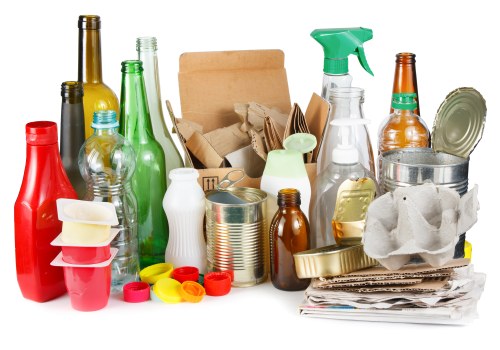
How We Meet That Target
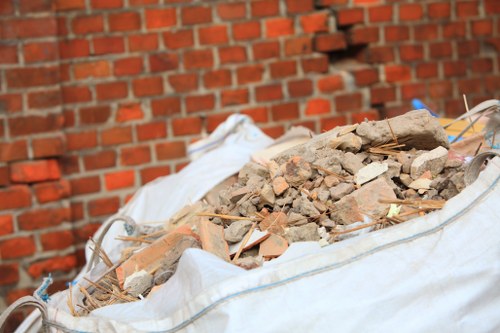
To meet and exceed our recycling target we operate a networked process: careful on-site segregation, targeted routing to local transfer stations, material-specific processing and long-term reuse channels. Our crew are trained to recognise recoverable materials and to separate them at source so that paper, cardboard, metals, wood, inert rubble and reusable fixtures are kept out of landfill. This contributes directly to the boroughs' approach to waste separation, which increasingly emphasises separate glass, food and mixed recycling streams.We coordinate with several nearby facilities to ensure materials are handled efficiently and responsibly. Local transfer stations we use include accredited municipal and private sites in north London that accept segregated loads for onward processing. Transporting sorted materials to the right destination improves recovery rates and supports specialised recycling activity across the boroughs, such as the separate processing of food waste, glass cullet and construction aggregates.
 Partnerships are central to our sustainable rubbish area strategy. We work with charities and social enterprises to give reusable household items, furniture and building materials a second life. Items that are in good condition are passed to local charities for resale or direct reuse, reducing waste and supporting community groups. Our collaborations include local furniture refurbishers, volunteer-led reuse centres and organizations that specialise in redistributing usable goods to families in need.
We also maintain formal relationships with recycling processors and recovery facilities. Key priorities in these partnerships are transparency of waste streams, measurable diversion rates and preferential routing for materials that can be reused or reprocessed locally. This networked model supports a resilient green waste management in Seven Sisters and helps the boroughs hit their statutory recycling metrics.
To make the eco-friendly waste disposal area vision practical, our fleet modernization is a major component. We are phasing in low-carbon vans and trucks, including hybrid and fully electric collection vehicles, to reduce emissions from collection rounds. These low-carbon vans are used for pre-sorting runs, small clearances and charity deliveries, while heavier loads are consolidated to minimise miles travelled. By optimising routes and using cleaner vehicles we cut CO2 and NOx emissions associated with local waste logistics.
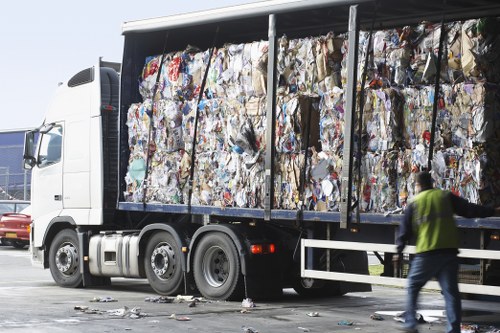 Operational practices that support sustainability include scheduled audits of recovery rates, continuous staff training and investment in better on-site segregation equipment. We publish annual performance figures against our recycling percentage target and work with borough recycling officers to ensure our procedures complement council strategies such as separate food waste collection, kerbside glass recycling and bulky-item reuse schemes.
 In addition to diversion and low-emission transport, we emphasise resource recovery: salvaging timber for reuse, reclaiming metals and concrete for recycling, and diverting compostable material into local anaerobic digestion and composting plants. Our commitment to a sustainable rubbish area means every load is assessed for recovery potential and routed to the most appropriate local facility. This creates a circular flow where materials collected in Seven Sisters support the wider borough economy and reduce demand for virgin materials.
Seven Sisters Skip Hire is dedicated to continuous improvement. We welcome constructive dialogue with community groups, borough officers and recycling partners to refine our processes. By combining an ambitious recycling percentage target, strong charity partnerships, the use of low-carbon vans and alignment with borough waste separation policies, we deliver a practical, measurable and locally grounded model for an eco-friendly waste disposal area and a truly sustainable rubbish area.