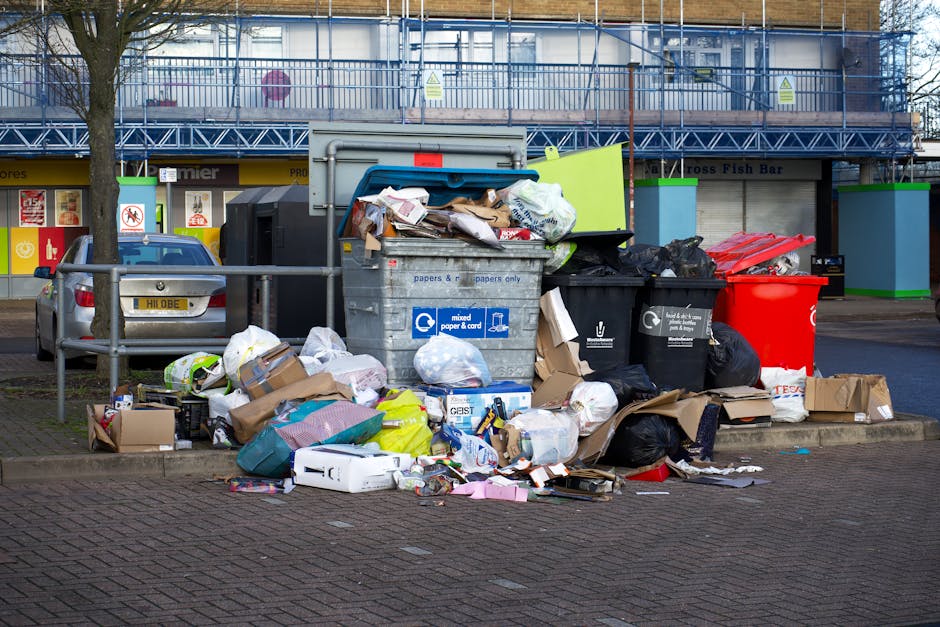
Rubbish collection near Seven Sisters station: what to know
If you are trying to sort rubbish collection near Seven Sisters station, the first thing to know is that the right option depends on what you are throwing away, how much there is, and how quickly it needs to go. In a busy part of North London, that can make a bigger difference than people expect. One minute it is a few bulky bags after a flat clear-out; the next it is builders' rubble, an old sofa, and a hallway that has started to look like a storage unit. Not ideal, to be fair.
This guide breaks down the practical bits: how rubbish collection usually works, when it makes sense compared with skip hire, what to watch out for near Seven Sisters station, and how to avoid the common mistakes that cause delays or extra cost. If you want a simple, no-nonsense way to handle waste responsibly, you are in the right place.
Why Rubbish collection near Seven Sisters station what to know Matters
Seven Sisters station sits in a part of London where movement never really stops. People commute, deliveries come and go, and parking can feel tight even on a calm day. That local reality matters when you need rubbish collected, because access affects how quickly waste can be removed and what kind of service makes sense.
In practical terms, rubbish collection is not just about "getting rid of stuff". It is about choosing a service that can reach your property, load waste safely, and dispose of it properly without causing a headache for you, your neighbours, or the street outside. If you have ever watched a van circle a block because there is nowhere sensible to stop, you will know the feeling.
It also matters because the wrong disposal choice can create avoidable problems. Mixed waste can become more expensive to handle. Hazardous items may need a specialist route. And if you are clearing a property near the station, timing can be everything. A collection that is smooth at 10:30 in the morning may be awkward at peak travel times. That is just life around a transport hub.
For some people, rubbish collection is the easiest option. For others, it is a quick solution while they compare it with skip hire, man and van clearance, or a more specialist service such as grab hire services. The key is matching the method to the waste, not the other way around.
How Rubbish collection near Seven Sisters station what to know Works
Most rubbish collection services follow a fairly straightforward pattern, although the details vary depending on the amount and type of waste. Usually, you describe what needs removing, get a price or estimate, book a time, and then the team arrives to load it up and take it away.
The useful bit is that it removes the need to do the lifting, sorting, and transport yourself. That matters if you are clearing bulky household items, office waste, or mixed rubbish after decorating. It also matters if you do not want a skip sitting outside for several days.
In a station area, services are often chosen for speed and convenience. A collection team can sometimes work around tighter access better than a larger container. If your items are already bagged or stacked neatly, the job tends to be quicker and less disruptive. Simple enough, but worth saying.
Some collections are handled as one-off rubbish removal. Others tie in with larger services such as house clearance, garage and loft clearance, or office clearance. If you are dealing with a bigger project, that broader approach can be more efficient than arranging several separate pickups.
There is also the question of what happens after the load leaves. A good provider should separate recyclable materials where possible and route waste through proper disposal channels. If sustainability matters to you, look for a service with a clear focus on recycling and sustainability. That way, the job is not just done quickly; it is done responsibly too.
Key Benefits and Practical Advantages
People usually choose rubbish collection because it is fast and low effort, but the real advantages are a little broader than that.
- Less manual work: You do not need to hire a vehicle or shift heavy items yourself.
- Better for awkward access: Around Seven Sisters station, tight roads and limited parking can make collection easier than storing a skip.
- Flexible for mixed waste: It can suit household clutter, bulky furniture, light construction waste, or a combination of items.
- Cleaner short-term solution: No container sitting outside for days, which can be useful if you are between tenants or managing a busy street.
- Useful for quick turnarounds: If you need a prompt clear-up, you may prefer a collection over waiting for a longer project setup.
There is another advantage that people sometimes overlook: clarity. When waste is collected by a team that knows what they are doing, there is less ambiguity about load size, item type, and disposal route. That can help avoid the "we'll sort it later" problem, which, let's face it, is how clutter gets out of hand in the first place.
If your waste is mostly bagged household rubbish, a dedicated rubbish removal service is often the most direct option. If it is heavier, bulkier, or linked to works on the property, you may want to compare it with builders waste removal or construction waste disposal.
Who This Is For and When It Makes Sense
Rubbish collection near Seven Sisters station makes sense for a wide range of people, but it is especially useful in a few everyday situations.
Homeowners and tenants: If you are clearing old furniture, black bags, broken household bits, or the leftovers from a move, collection can save time. It is often the easiest option when you are trying to clear a room before guests arrive or before handing keys back.
Landlords and letting agents: Void-period clearances are a common use case. A flat can be left with everything from mattresses to small appliances, and the quicker it is cleared, the quicker it can be prepared for the next occupant.
Tradespeople: Small renovation jobs, strip-outs, and light building work often generate waste that does not quite justify a full skip. In those cases, a collection or a builders skip hire comparison is worth making.
Offices and small businesses: Office declutters are rarely dramatic, but they are always slightly more time-consuming than expected. Chairs, desks, packaging, confidential paper, and old appliances all need a plan. A mix of confidential shredding and collection can be a smart combination.
People with awkward access: If your property is on a narrow street, has limited outside space, or sits near busy footfall, a flexible collection can be better than storing a skip or arranging a long roadside setup.
When does it not make sense? If you have a very large amount of waste, heavy rubble, or ongoing works, other options may be more efficient. In those cases, it is worth looking at skip sizes and prices, wait and load skip hire, or even muck away services for soil and spoil. Different job, different tool.
Step-by-Step Guidance
If you want the process to run smoothly, it helps to approach it in order. Nothing fancy. Just a sensible flow.
- Walk through the waste first. Look at what you have, and separate it into broad categories: general rubbish, bulky items, recyclable material, electricals, and anything potentially hazardous.
- Check access. Measure gates, note stairs, think about parking, and ask yourself whether a van can stop nearby without causing a bottleneck.
- Decide on the right service. A small pile of bags may suit direct collection. Larger or heavier waste may need a fuller solution like skip hire or grab lorry hire.
- Check item restrictions. Not everything can go together. For example, fridges, sofas, and mattresses may need specific handling. It is worth checking what can go in a skip even if you are not using a skip, because the same basic principles often apply.
- Get a quote and confirm timings. Ask whether loading, labour, and disposal are included. If you need a quick turnaround, mention that early. Same-day collection is sometimes possible through same day skip hire or similar fast-response arrangements.
- Prepare the site. Place items where they can be accessed easily. Move cars if needed. Free up entrances. A tidy pickup point can save a surprising amount of time.
- Keep the paperwork in order. For business waste, ask for clear confirmation of the disposal route and any relevant documentation you need for your records.
That may sound obvious, but a little prep makes a big difference. The jobs that go badly are usually the ones where everyone assumes "it'll be fine". Famous last words, that.
Expert Tips for Better Results
Here are the small things that tend to improve results in the real world.
Be specific about volume. Saying "a few bits" is not very helpful. Saying "ten bags, one wardrobe, one mattress, and a dismantled desk" is far better. It helps the provider judge space, vehicle type, and labour.
Separate reuse from disposal. If some items can be donated, sold, or reused, pull those out first. You will often reduce the amount that needs collection, which can be better for the wallet and the environment.
Think about timing around the station. Morning and evening traffic can slow everything down. If you have flexibility, mid-morning or early afternoon is often calmer. Not always. But often enough to matter.
Ask what happens with bulky items. Sofas, white goods, and broken furniture may have different handling routes. If you already know you need fridge and appliance removal or mattress and sofa disposal, mention it at booking stage.
Use the right method for secure waste. If you are disposing of sensitive documents or locked-down business materials, combine collection with confidential shredding rather than putting everything in one general load.
Keep an eye on safety. Heavy items should be lifted with proper technique, and sharp edges should be wrapped or boxed where practical. This is not just about being careful; it is about avoiding a very preventable injury.
If you are working on a project with several waste streams, a provider that also offers construction waste clearance or site clearance may be a better fit than a purely ad hoc pickup. It depends on the scale, really.
Common Mistakes to Avoid
Most rubbish collection problems are not dramatic. They are just annoying, costly, and easy to avoid once you know what to look for.
- Guessing the waste type: Mixed loads are fine in many cases, but hazardous items need proper handling. Do not assume everything can go together.
- Underestimating how much there is: A pile that looks small on Tuesday can somehow look enormous by Friday morning.
- Blocking access: If the crew cannot reach the items quickly, the job takes longer and may cost more.
- Forgetting special items: Appliances, mattresses, and bulky furniture may need different arrangements.
- Leaving bags unsealed or loose waste scattered around: That slows the team down and can create a mess.
- Not checking for permits or parking limits: Around busy London streets, parking and loading restrictions can create avoidable delays. If you are using a roadside container, it is worth checking whether a skip permit or skip hire permits conversation is needed.
One small but common mistake is leaving everything until the last minute and then expecting the perfect solution to appear out of thin air. It rarely does. A little planning goes a long way.
Tools, Resources and Recommendations
You do not need a toolkit the size of a trades depot, but a few simple things make the job easier.
- Strong refuse sacks and boxes: Useful for lighter items, broken household goods, and sorting as you go.
- Tape, labels, and a marker pen: Helps separate keep, recycle, donate, and dispose piles.
- A tape measure: Handy for checking access, door widths, and furniture sizes.
- Gloves and sturdy shoes: Especially useful if you are moving items to a collection point yourself.
- Photo reference: A couple of quick photos can help when asking for a quote. Nothing fancy, just honest pictures.
For people deciding between waste options, these pages are useful starting points: skip sizes and prices, waste recycling services, and payment and security. They help you compare what is practical, what is secure, and what is likely to suit the job at hand.
If you are dealing with a domestic clear-out, domestic skip hire can be worth comparing alongside collection. If it is commercial or ongoing, commercial skip hire may offer more structure. Different days, different mess.
Law, Compliance, Standards, or Best Practice
Waste disposal in the UK is not something to be casual about. You do not need to be a legal expert, but you do need to follow sensible best practice.
For householders, the main point is straightforward: use a reputable service that disposes of waste properly and does not dump it illegally. If you are paying someone to remove rubbish, you want confidence that it is going where it should. If the price looks too good to be true, it sometimes is.
For businesses, there is usually more to think about. You may need to keep records, separate waste types, and be able to show that your waste has been handled responsibly. That is where clear documentation and a structured service really help.
Hazardous items deserve extra caution. Paint, chemicals, oils, some electricals, and other risky materials can require specialist handling. If there is any doubt, pause and check rather than bundling them in with general rubbish. It is much easier to ask first than to fix a problem later.
Good practice also means protecting neighbours and public areas. In a place like Seven Sisters, where streets can feel busy and close-knit, keeping pavements clear, avoiding spillages, and loading safely is just basic courtesy. Nothing flashy. Just decent behaviour, really.
If you want to understand the company's wider approach to safe working, it is worth reading the health and safety policy, insurance and safety, and recycling and sustainability information. Those pages help show the kind of standards a responsible provider should be thinking about behind the scenes.
Options, Methods, or Comparison Table
If you are unsure which route to take, this simple comparison can help. The best choice depends on access, waste type, and how much involvement you want.
| Option | Best for | Strengths | Things to watch |
|---|---|---|---|
| Rubbish collection | General waste, mixed household items, quick clear-ups | Fast, simple, minimal effort | May not suit very large or heavy loads |
| Skip hire | Ongoing projects, larger clear-outs, building work | Good capacity, flexible loading | Needs space and may involve permit considerations |
| Wait and load | Areas with tight parking or short access windows | No long street occupation | You need to load quickly during the booked slot |
| Grab lorry hire | Soil, hardcore, large loose materials | Efficient for heavy bulk waste | Not always ideal for mixed household clutter |
| Man and van | Smaller clearances, awkward access, flexible pickups | Handy in tighter residential streets | Capacity depends on the vehicle and load type |
If you are still on the fence, the simplest question is this: do you want the waste gone quickly, or do you need a longer-term container for an ongoing job? That answer usually points you in the right direction.
Case Study or Real-World Example
Imagine a couple clearing a second-floor flat a short walk from Seven Sisters station. They have an old wardrobe, two bookcases, a mattress, several bags of mixed clutter, and a few small electricals. There is no lift, the stairwell is narrow, and parking outside is not exactly generous.
In that situation, a collection-based service can be the cleanest option. The items are gathered in one place before the crew arrives, the load is removed in one visit, and nobody has to leave a skip sitting in the road. The couple avoids several trips to a disposal site, which, truth be told, is the part many people dread most.
Now compare that with a small refurbishment job where rubble, plasterboard, and timber are produced over several days. There, a more structured option such as builders waste removal or construction waste disposal may be a better fit. The waste is heavier, the volume is less predictable, and the work generates material in stages.
The lesson is simple: the best service is the one that fits the shape of the problem. Not the prettiest brochure. Not the loudest promise. Just the right fit.
Practical Checklist
Use this quick checklist before you book rubbish collection near Seven Sisters station.
- List every item that needs removing.
- Separate general waste, bulky items, electricals, and anything hazardous.
- Check whether access is tight, shared, or limited by parking.
- Measure large items if you are unsure about access.
- Take a few photos so you can describe the job clearly.
- Decide whether collection, skip hire, wait and load, or grab hire is the best match.
- Ask about recycling, labour, and any excluded items.
- Confirm the booking window and prepare the waste in advance.
- Move cars or obstacles if needed.
- Keep paperwork or confirmation details in one place.
Quick takeaway: the smoother the access, the easier the collection. A little prep can save a lot of back-and-forth.
Get a free quote today and see how much you can save.
Conclusion
Rubbish collection near Seven Sisters station is usually at its best when it is planned around the reality of the area: busy streets, limited parking, awkward access, and a mix of household, business, and trade waste. Once you match the service to the waste, the whole thing becomes much easier.
If you remember only a few things, make it these: describe the load accurately, check access early, choose the right removal method, and make sure disposal is handled properly. That is the heart of it. The rest is just detail.
And if you are still deciding, that is fine. A good waste plan is not about rushing. It is about getting your space back without creating a new problem elsewhere. That feeling when the last bag goes and the room suddenly breathes again? Worth it.
Frequently Asked Questions
What is the best option for rubbish collection near Seven Sisters station?
The best option depends on the waste type and volume. For small to medium mixed loads, direct rubbish collection is often simplest. For bigger jobs, compare it with skip hire, wait and load, or grab hire.
Can I book rubbish collection for bulky items like sofas and mattresses?
Yes, bulky items are often collected, but they may need specific handling. If you have large furniture, it helps to mention it when booking and check related services such as mattress and sofa disposal.
Is rubbish collection quicker than skip hire?
Often, yes. Collection can be quicker because there is no need to leave a container on site. That said, skip hire can be better for ongoing projects or larger volumes.
Do I need a permit for rubbish collection near Seven Sisters station?
Usually not for a standard collection, but permit issues can arise if a skip or loading arrangement affects the public highway. In those cases, skip permit guidance may be relevant.
What should I do before the collection team arrives?
Sort the waste, clear access, and place items where they can be reached easily. If possible, separate anything that may need special treatment, such as appliances or confidential paperwork.
Can rubbish collection handle building waste?
It can handle some light building waste, but not always heavy rubble or large volumes. For those jobs, builders waste removal or construction waste disposal may be more suitable.
How do I know if my waste is hazardous?
If it includes chemicals, oils, certain electrical components, paint, or anything that could pose a risk, treat it cautiously. When in doubt, ask before mixing it with general rubbish.
Is rubbish collection suitable for landlords and letting agents?
Very often, yes. It works well for end-of-tenancy clear-outs, leftover furniture, and general void-property tidying, especially when speed matters.
What if I have very little space outside my property?
That is exactly where collection or wait and load can help. Tight access is common around busy London locations, so a flexible service is often easier than a long-stay skip.
Can rubbish collection include recycling?
Yes, many providers sort recyclable material where practical. If sustainability is important to you, ask how the waste is processed and look for clear recycling and sustainability information.
How should I compare rubbish collection with skip hire?
Think about volume, timing, access, and whether you want the waste gone in one visit or prefer a container for ongoing use. Skip hire suits larger, slower projects; collection suits quicker removals.
What is the most common mistake people make?
Underestimating the amount of waste is probably the most common one. The second is forgetting about access. Both can be avoided with a quick walkthrough and a few photos before booking.